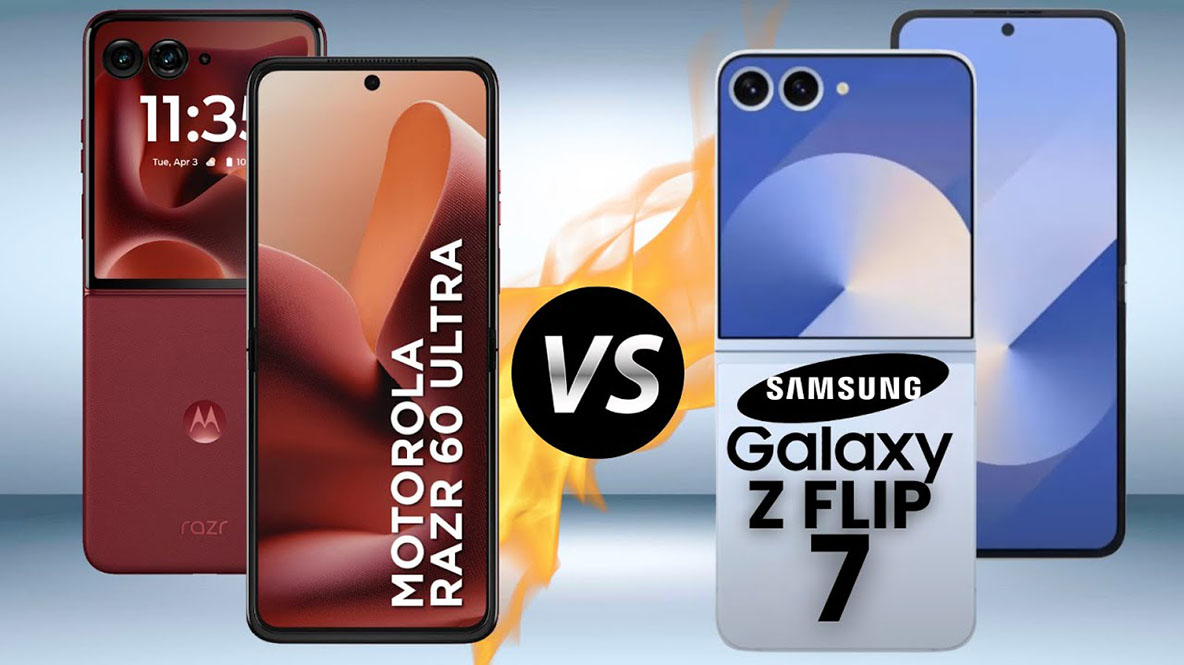
The flip phone is back—but this time, it’s smart, sexy, and seriously powerful. When the Samsung Galaxy Z Flip 7 and Motorola Razr Ultra 2025 landed on the market, they reignited the fire in the foldable phone war, each promising to redefine how we use and experience mobile technology.
I’ve spent weeks testing, comparing, and obsessing over both of these clamshell flagships. I’ve folded them, flipped them, pushed them to their limits, and lived with them in real-world conditions—from morning coffee emails to late-night YouTube marathons, and everything in between.
If you’re torn between Samsung’s seventh-generation Flip and Motorola’s new Ultra Razr, buckle up. This is not just a spec comparison. This is the raw, unfiltered experience of how these two phones hold up in daily life—because specs on paper only tell half the story.
Design: Two Visions, One Flip
Let’s start with the first thing you see and feel—the design. Both phones exude premium craftsmanship, but they cater to different aesthetics.
The Samsung Galaxy Z Flip 7 is elegant, minimalist, and polished. It feels like the kind of device James Bond might casually flip open at a casino table. I had the Blue Shadow model in hand, and the matte finish combined with Samsung’s ultra-smooth hinge mechanics gave it an understated luxury. The aluminum frame is slim and lightweight at 188g. It’s slightly wider than the Razr but shorter and thinner, and that makes it feel compact in the hand.
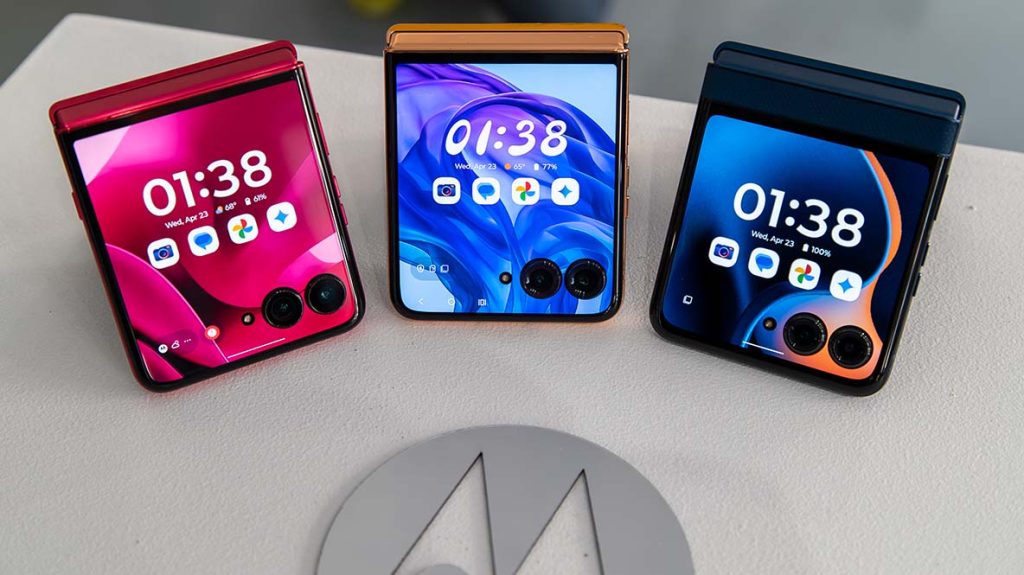
The Motorola Razr Ultra 2025, on the other hand, is a flex. Literally and figuratively. The Pantone color finishes are chef’s kiss—especially the Mountain Trail version with real wood on the back. Yes, real wood. It’s a bold and tactile design choice that immediately sets it apart. Even the Alcantara suede on the Scarab variant feels like something plucked from a premium car interior. This phone isn’t trying to be subtle. It wants you to notice it.
Both phones are IP48-rated, which means water resistance is acceptable (up to 1.5 meters for 30 minutes), but neither phone is dust-proof. Flip phones are inherently more vulnerable than slabs, so you’ll want to avoid the beach or drywall dust.
In the pocket, the Z Flip 7 tucks away just a bit more smoothly. The Razr Ultra, at 199g and slightly bulkier when folded, feels more substantial. Not uncomfortably so—but you’ll know it’s there.
Displays: Who Wins the Screen War?
Open either of these phones and you’re greeted with bright, bold AMOLED panels that feel like the future.
Main Displays
The Z Flip 7 gives you a 6.9-inch foldable AMOLED with a 120Hz refresh rate. It’s sharp, smooth, and hits 2,600 nits of peak brightness. Whether you’re scrolling through Twitter, gaming, or editing photos, it feels responsive and vivid. But if you’re someone who’s extra-sensitive to refresh rates, you might crave more.
That’s where the Razr Ultra 2025 comes in swinging with a 7.0-inch AMOLED display, a higher 165Hz refresh rate, and an astonishing 4,500 nits peak brightness. In daylight, under direct sun, the Razr’s screen is just easier to see. Colors pop. Motion looks liquid-smooth. Watching high-frame-rate YouTube or gaming on Genshin Impact felt insanely slick. It’s a phone that’s just built to dazzle.
Cover Displays
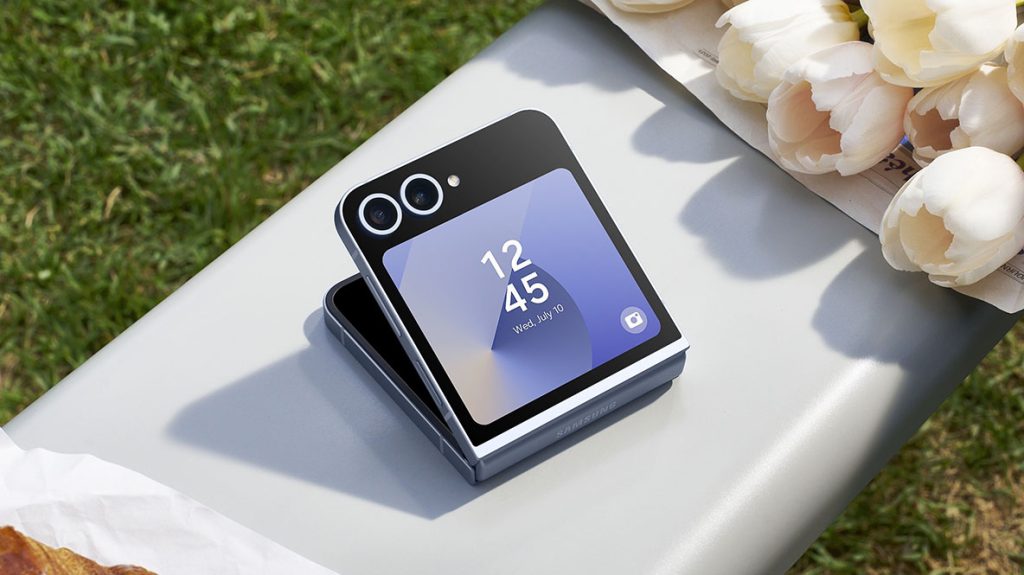
Here’s where things get fun. Both phones have large external screens that let you do everything from replying to texts, checking the weather, navigating Spotify, or even taking selfies.
Samsung gives you a 4.1-inch 120Hz cover screen, and it’s a beauty. Super slim bezels, vibrant colors, and just big enough to get real work done. You can customize widgets, run select apps, and even type messages if you’re bold enough. The edge-to-edge effect really feels futuristic.
But Motorola’s 4.0-inch 165Hz cover screen is a whole different experience. It’s sharper, brighter, and has smoother animations—but more importantly, it just feels more usable. Motorola’s software is tuned for simplicity, and it’s easier to swipe between apps, manage widgets, and interact with your notifications. The only downside? The cover screen UI can feel a little constrained if you’re trying to do too much at once. Still, I found myself using it far more often than expected.
Performance: Exynos vs Snapdragon
Now we get into the heart of the beast—performance. This is where the divide starts to widen.
The Samsung Galaxy Z Flip 7 is powered by the Exynos 2500, with 12GB of RAM. It’s competent, fast enough for most people, and handles multitasking decently. But let’s be honest: Exynos still lags behind Snapdragon when it comes to peak performance. Heavy gaming sessions caused it to warm up noticeably, and some demanding apps stuttered during prolonged use.
On the flip side, the Motorola Razr Ultra 2025 packs Qualcomm’s Snapdragon 8 Elite and a whopping 16GB of RAM. This thing flies. It opens apps instantly, juggles multiple tasks without missing a beat, and kept cool even during 4K video editing. I used Adobe Lightroom on it during a recent trip, editing raw photos on the go, and it handled it like a champ.
If you want raw horsepower, the Razr Ultra isn’t just better—it’s significantly better.
Software: Complex Power vs Simplicity
Samsung’s One UI 8 (based on Android 16) is packed with features—sometimes too packed. It’s like a Swiss Army knife where half the tools are hidden behind menus you didn’t even know existed.
You get DeX mode, which lets you run your phone like a desktop when connected to a monitor. You get an incredible level of customization, robust multitasking features, and some of the best security features in the business. But the UI can feel bloated. Notifications get crowded. Settings menus are dense. And the sheer number of options may overwhelm first-time users.
Motorola’s Android skin, by contrast, is clean and close to stock. Everything feels simple, quick, and intuitive. Their gesture controls are among the best. But not all is perfect—the AI image generation tool Motorola introduced has had its hiccups, with some questionable outputs. That said, Motorola’s implementation of AI isn’t quite as intrusive or hyped-up as Samsung’s, so the impact on daily use is limited.
In essence, if you want a sleek, no-nonsense user experience: Motorola wins. If you want to control every microscopic element of your device and don’t mind a learning curve: Samsung takes it.
Cameras: The Megapixel Mismatch
Let’s be blunt. Neither of these phones has a telephoto lens, and that’s a missed opportunity on both fronts.
Rear Cameras
Both have 50MP main sensors with optical image stabilization, and both do a good job in good light. But where Samsung opts for a 12MP ultra-wide, Motorola slaps in a second 50MP ultra-wide—and it shows. Photos on the Razr Ultra have more detail, richer tones, and better edge sharpness.
In low light, Samsung holds its own with solid night mode algorithms. Motorola tends to lean a bit warm, which I like, but might not be for everyone.
Front Cameras
Here’s the kicker—Motorola gives you a 50MP front camera, and it’s miles ahead of Samsung’s 10MP selfie shooter. Video calls, selfies, and even vlogging are far sharper on the Razr.
And video? Razr records up to 8K, while the Flip maxes out at 4K. If content creation is even remotely on your radar, you’ll want the Razr.
Battery Life and Charging: No Contest
Samsung packed a 4,300mAh battery into the Z Flip 7, which sounds decent until you realize how much power those displays and features suck. I was often hitting the 15% mark by 9 p.m. on heavy days.
Motorola’s 4,700mAh battery not only lasts longer—it charges faster, too. You get 68W wired, 30W wireless, and 5W reverse wireless. I could go from 0 to 100% in just under 45 minutes. That’s huge.
Samsung’s 25W wired and 15W wireless charging feels sluggish by comparison.
Where to Buy in the U.S.
If you’re in the United States, both phones are widely available—though prices vary.
Here are some reliable U.S.-based retailers and platforms where you can find both devices:
- Best Buy (bestbuy.com): Great in-store support, open-box deals, and geek squad protection plans.
- Amazon (amazon.com): Often carries more color options and lightning deals.
- Samsung.com: Best for trade-in offers and exclusive configurations. Also excellent for financing options.
- Motorola.com: You can sometimes snag exclusive models (like the wood or suede-backed Razr Ultra) and direct promos.
- Verizon, AT\&T, T-Mobile: All three carriers stock these phones and offer 0% interest payment plans if you’re okay with a contract.
Tip: If you’re planning to buy unlocked, Amazon and Best Buy typically offer the cleanest deals without bloatware.
Which One’s Right for You?
This is not a one-size-fits-all situation. After living with both phones, here’s the bottom line:
- Get the Samsung Galaxy Z Flip 7 if you:
- Want a more compact, lightweight flip phone.
- Prefer Samsung’s deep feature set and ecosystem (especially if you own other Galaxy products).
- Appreciate a slightly lower entry price.
- Get the Motorola Razr Ultra 2025 if you:
- Care about performance, battery life, and display quality.
- Want the best front-facing and ultra-wide cameras.
- Appreciate bold, unique design aesthetics and fast charging.
Personally? I lean toward the Motorola Razr Ultra 2025. It feels like a more well-rounded package—less compromise, more ambition. It’s the first flip phone that genuinely made me stop missing my traditional slab smartphone.
But I also get the appeal of Samsung’s refinement, reliability, and ecosystem advantage. It really comes down to what you value most—raw power and daring design, or polished efficiency and proven tech?
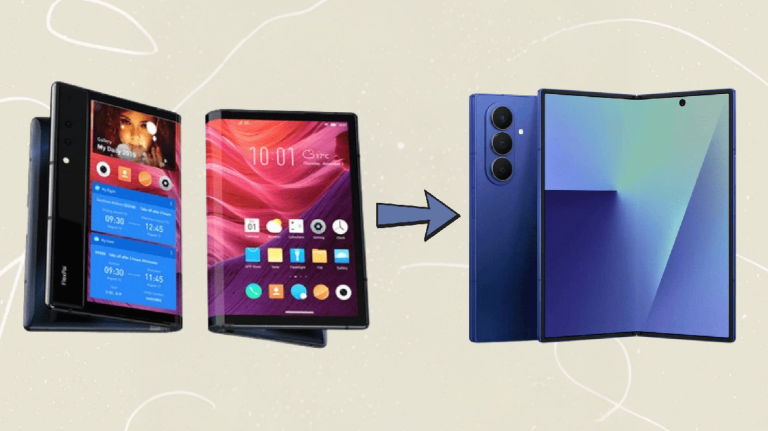
Whichever you choose, one thing’s for sure: foldables are no longer a gimmick. They’re here, they’re incredible—and they might just be the future of smartphones.

+ There are no comments
Add yours