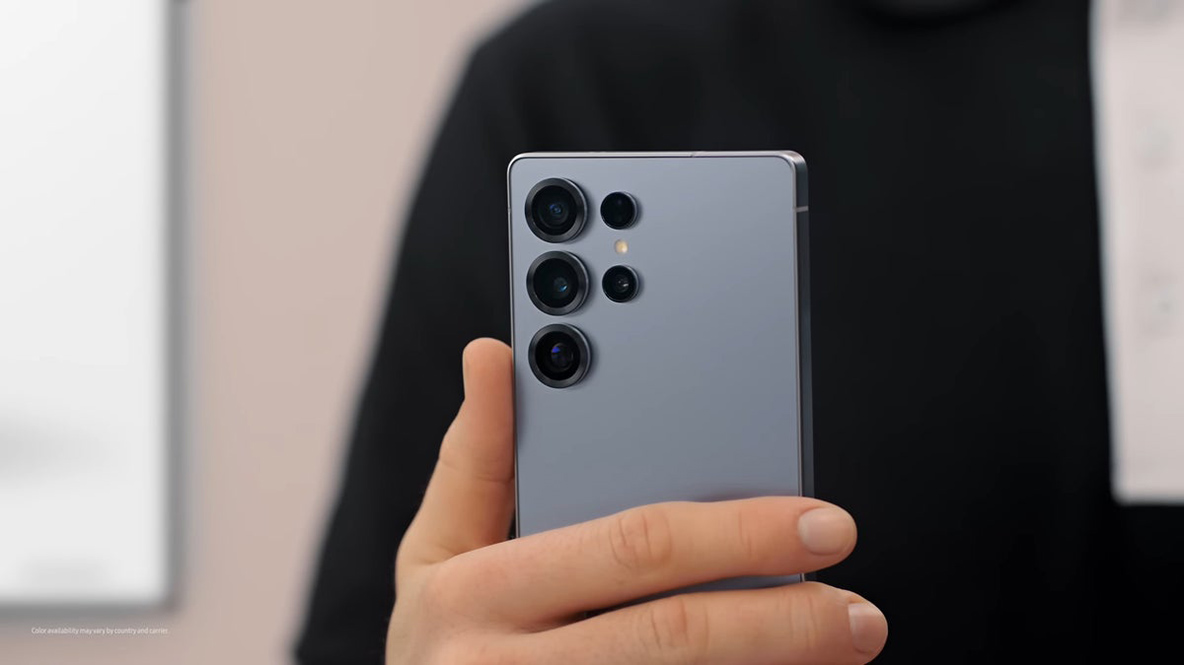
The world doesn’t wait for perfect lighting. It moves fast, often in dim coffee shops, on shadowy streets at midnight, or under flickering neon signs that don’t exactly make for ideal camera conditions. That’s one reason why smartphone cameras have, in my view, always felt just shy of true greatness—especially when the sun goes down. And while we’ve seen huge improvements over the past few years, the upcoming Samsung Galaxy S26 Ultra is shaping up to be something truly special.
I’ve followed the Galaxy S series for over a decade. I’ve owned the S10, tested the S21 Ultra, lived with the S24 Ultra for months—and while each generation refined the formula, this latest round of leaks and rumors has stirred something I haven’t felt in a while: genuine anticipation.
Let’s talk about low-light photography, charging speeds, and why the S26 Ultra might finally deliver the meaningful upgrade we’ve all been waiting for.
The Light Problem: Why Most Smartphone Cameras Still Struggle at Night
We live in a world of incredible phone cameras. Honestly, even mid-range devices can produce photos that, ten years ago, would’ve required a DSLR. But the Achilles’ heel of every smartphone camera, no matter how advanced, has always been light—or the lack of it.
Low-light photography has traditionally relied heavily on software trickery. Night mode, image stacking, AI-assisted brightness balancing—it all helps, but you still end up with a mushy, over-smoothed image that lacks the fine texture and dynamic range of a shot taken in natural daylight.
That’s why the news that the Galaxy S26 Ultra will capture 47% more light than its predecessor hit me like a jolt of electricity. If this turns out to be true, this isn’t just a spec bump—it’s a fundamental shift in how this phone sees the world.
A Wider f/1.4 Aperture: What That Actually Means
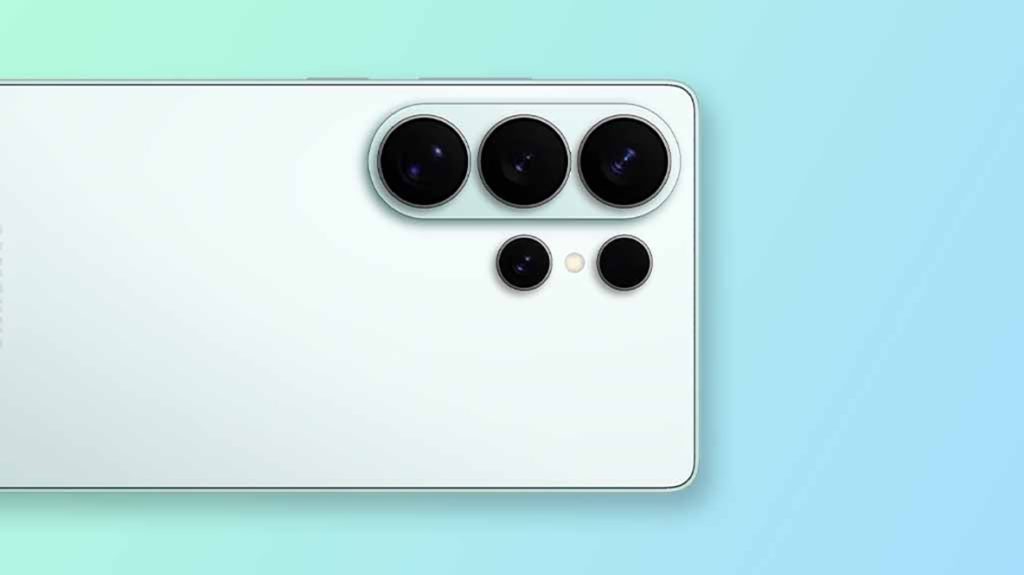
According to the respected leaker @UniverseIce, the Galaxy S26 Ultra will keep the same 200MP ISOCELL HP2 sensor as the S25 Ultra, but the key difference lies in the lens. The S26 Ultra is said to feature a wider f/1.4 aperture, compared to the f/1.7 or f/1.8 found on previous models.
Now, that number might not mean much unless you’re into photography, but here’s the gist: the lower the f-stop, the wider the lens opens, and the more light floods the sensor. That translates to brighter images, better color accuracy, and less noise—even when you’re shooting in near darkness.
In practice, that means you might finally get a photo of your dog sleeping on the couch at night that doesn’t look like a ghost smudge. Or capture that cozy dinner in a dim bistro without the grainy mess that often accompanies smartphone photos in those settings.
And this change isn’t about software—it’s physics. A bigger aperture means more actual light hitting the sensor. That’s the kind of change that makes me want to go out and shoot after dark—not just tolerate the results.
Real-World Scenarios Where This Will Matter
Let me paint a few scenarios.
You’re walking through New Orleans at 2 a.m., and the street is bathed in yellow lamplight, jazz music curling through the fog. You want to capture the mood, not just the shapes. The S25 Ultra did okay here—but the S26 Ultra? It’ll let you feel the photo.
Or maybe you’re at your niece’s birthday party in a softly lit living room. Candles, laughter, a toddler running full speed past a chocolate cake. Good luck catching that blur on most phones. But if this new aperture lives up to the hype, we could finally start getting crisp, usable shots without resorting to flash.
And yes—there are already whispers of improved noise reduction and dynamic range enhancements, but I’m honestly more excited about the fundamentals: real glass, real optics, real improvements.
Charging Gets a Boost—But Is It Enough?
Let’s shift gears and talk about charging. The S25 Ultra was no slouch with its 45W fast charging, but with other manufacturers pushing 65W, 80W, and even 100W+ speeds, Samsung has been lagging slightly in this department.
According to the same leak source, the S26 Ultra will feature 60W charging, while keeping the battery capacity at 5000mAh.
That’s a subtle but important shift. Samsung isn’t going for extreme numbers, but they’re pushing the ceiling just enough to make a noticeable difference.
Reportedly, this could result in the phone charging to 75%–80% in just 30 minutes. That’s not theoretical—it’s according to internal testing data, which tends to be conservative. If actual user results land closer to 90% in half an hour, that’s a real, practical leap.
It’s the difference between scrambling for an outlet in the morning and just plugging in while you brush your teeth.
Why the Battery Size Staying the Same Is Actually Smart
You might be thinking: “Wait, the battery is still 5000mAh? Isn’t that a letdown?”
Not really. Bigger batteries aren’t always better. They add weight, and they often mean diminishing returns if your software and processor aren’t optimized.
By sticking to 5000mAh but improving power efficiency and charging speeds, Samsung is balancing stamina with usability. The current Snapdragon 8 Gen 4 chip (expected in the S26 Ultra) is reportedly far more efficient, and when you combine that with faster charging, you might never find yourself waiting on battery life again.
You’ll top up quickly, drain slowly, and carry on with your day.
My Thoughts on the Design So Far
While most of the current buzz is focused on the camera and charging, I’d be remiss not to mention the design expectations for the S26 Ultra.
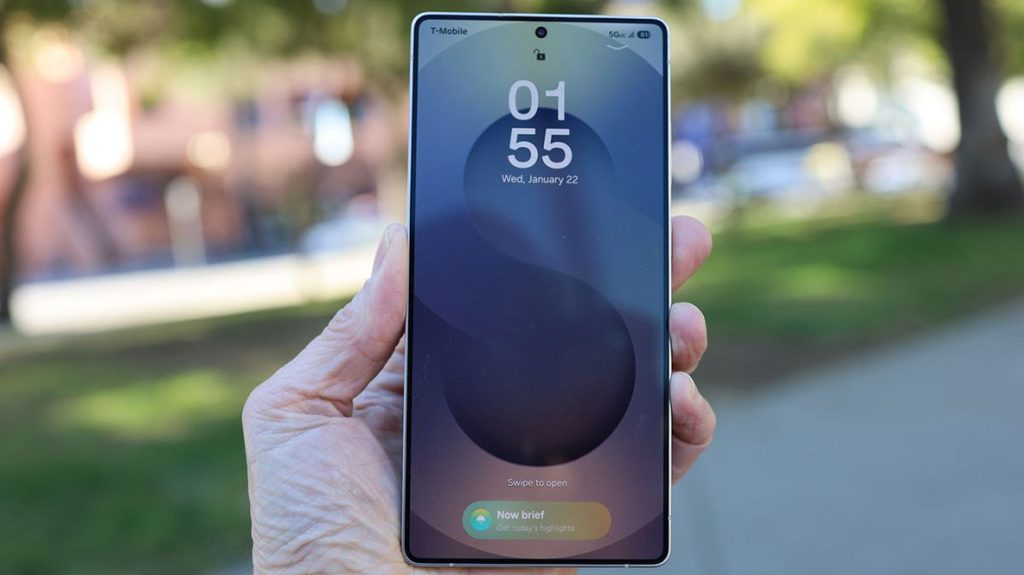
From what I’ve gathered so far, the form factor will remain similar to the S25 Ultra—perhaps slightly slimmer, possibly with a flatter display. That’s fine by me. I’m not looking for a design revolution here. I want refinement.
What I do hope is that Samsung improves the in-hand feel. The S25 Ultra, while beautiful, was slippery and slightly top-heavy. Give me a more balanced weight, slightly grippier sides, and matte finishes that don’t collect fingerprints like a crime scene.
Where I’ll Be Buying Mine (And Where You Might Consider Too)
When the S26 Ultra drops—likely early 2026—I won’t be preordering blind, but I will be watching every retailer closely.
If you’re in the U.S., here are some reliable options I’ve had good experience with:
- Samsung’s Official Store (samsung.com): They often offer the best trade-in deals and early-bird bundles, like free earbuds or extended warranties.
- Best Buy: I love checking their open-box pricing, and they usually have decent in-store pickup availability.
- Amazon: It’s convenient and fast, but always check to make sure it’s sold by Amazon or Samsung directly—not a third-party reseller.
- B\&H Photo Video: Especially great if you’re in NYC or order tech often—I’ve found rare models and fast delivery through them.
- Verizon and AT\&T: If you’re upgrading through a carrier, the financing options can make it easier to spread out the cost—but always compare the final price.
Pro Tip: Trade-ins make a big difference. Samsung has one of the best programs for trading in older Galaxy phones, often giving \$400–\$700 credit for devices as old as two years.
What This Could Mean for Mobile Photography Going Forward
If Samsung can truly deliver on this rumored 47% light capture improvement, we may be entering a new era of mobile photography—one less reliant on computational fixes and more grounded in optical quality.
For content creators, this could be huge. Night vloggers, street photographers, concert shooters—anyone who thrives in the low light—will suddenly have a much stronger tool in their pocket.
Even for average users, this is the kind of improvement that shows itself organically. Not through marketing, but through better vacation photos. Clearer pet portraits. More share-worthy memories.
And when you combine that with faster charging and what is likely to be a refined One UI experience on Android 15 or 16 (depending on timing), we’re looking at a very complete package.
The Waiting Game (And the Hype That’s Justified)
Look, I’m the first to be skeptical of leaks. I’ve watched too many exaggerated promises dissolve into disappointment. But what makes this one different is how measured the upgrades are.
A camera lens improvement based on aperture? That’s not hype—it’s optics.
A jump from 45W to 60W charging? That’s practical, not flashy.
These are the kinds of upgrades that actually matter. That change your day-to-day, not just your spec sheet.
I’ll be watching closely as we approach launch season. Until then, I’ll keep my S25 Ultra close—and my wishlist closer. If Samsung really pulls this off, I may finally have a reason to retire it.
And maybe, just maybe, start taking more photos after sunset.
+ There are no comments
Add yours