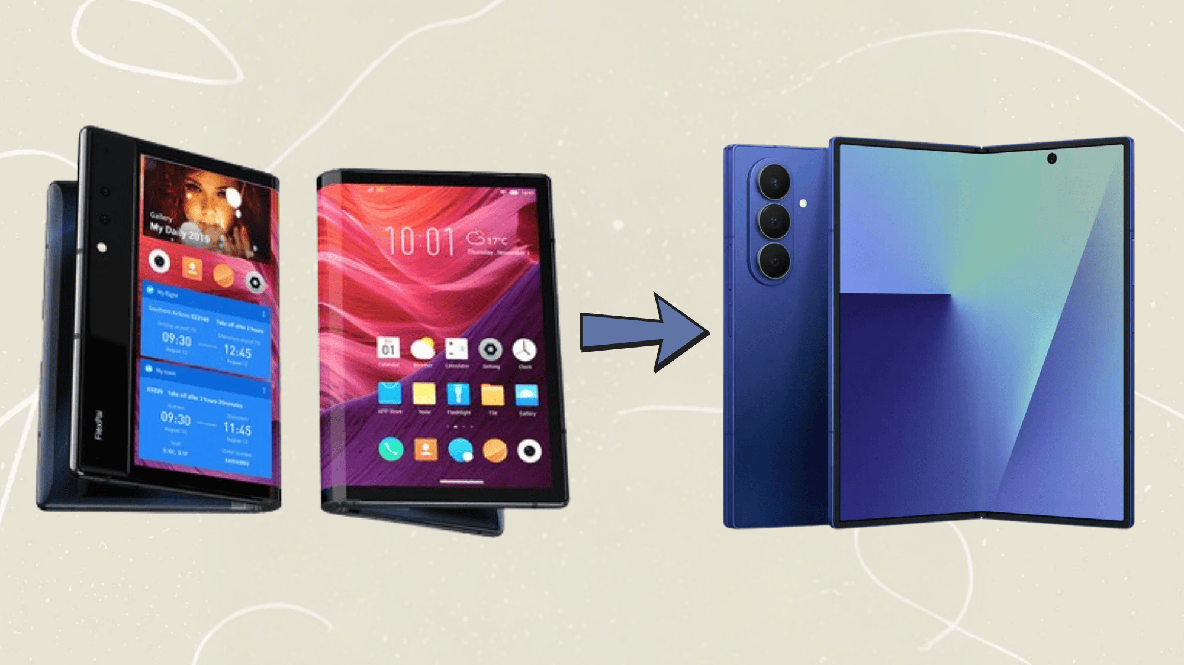
In recent years, the mobile phone industry has witnessed a remarkable transformation: the widespread adoption of foldable screen technology. Not long ago, smartphone evolution seemed limited to mere upgrades in screen size and performance; however, the advent of foldable screens has reignited the entire industry’s innovative vitality. So, what revolutionary changes have foldable smartphones truly brought about? And what kind of future do the technological trends behind them portend? In the following sections, I will take you on a comprehensive journey to explore foldable screen technology and the broader wave of electronics innovation driving it.
I. The Origins and Evolution of Foldable Screen Technology
The concept of foldable screens first emerged in science fiction films; however, thanks to breakthroughs in Flexible Display technology, this concept has gradually transitioned from the laboratory to the commercial market. Traditional mobile phones utilize Liquid Crystal Displays (LCDs) or Organic Light-Emitting Diode (OLED) screens, which are manufactured on rigid substrates—a structural constraint that makes bending the screen inherently difficult. The core innovation behind foldable smartphones lies in their adoption of flexible OLED or AMOLED screens. These screens possess the unique ability to bend while maintaining display quality, thereby enabling the device to achieve its “foldable” form factor.
A Brief History of Development:
1.Early Experimental Phase (2010–2015)
- This phase was primarily characterized by materials research for flexible screens and the testing of small-scale prototypes. Manufacturers such as Samsung and LG demonstrated bendable displays within their laboratories, though commercialization remained a distant prospect.
2.Commercialization Attempts (2016–2019)
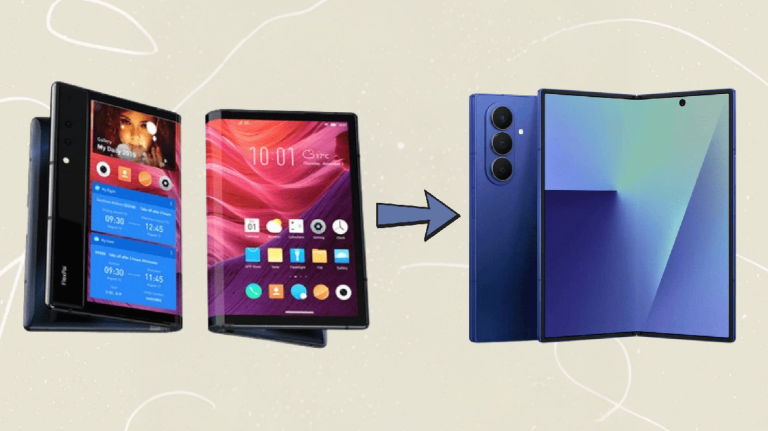
- In 2019, Samsung unveiled the first-generation Galaxy Fold, marking the official entry of foldable smartphones into the consumer market. That same year, Huawei launched its Mate X series, introducing an “outward-folding” design. During this period, the reliability, durability, and hinge mechanisms of foldable screens became the primary focal points of technological development.
3.Technological Maturity and Diversification (2020–Present)
- Driven by advancements in materials science and hinge technology, foldable smartphones have gradually evolved from high-end experimental novelties into mainstream consumer products. The screens’ folding durability has improved significantly, now capable of withstanding hundreds of thousands of folds; furthermore, folding mechanisms have diversified beyond the initial “inward-folding” style to include “outward-folding,” “clamshell,” and various other innovative designs.
II. Technical Challenges of Foldable Smartphones
While foldable screen technology may appear impressive, it conceals significant technical challenges:
1.Screen Durability
- Foldable screens must withstand repeated bending without compromising display quality. Even with the use of flexible OLED technology, the screen remains susceptible to creases and distortion near the hinge—a factor that imposes extremely rigorous demands on manufacturing processes.
2.Hinge Design
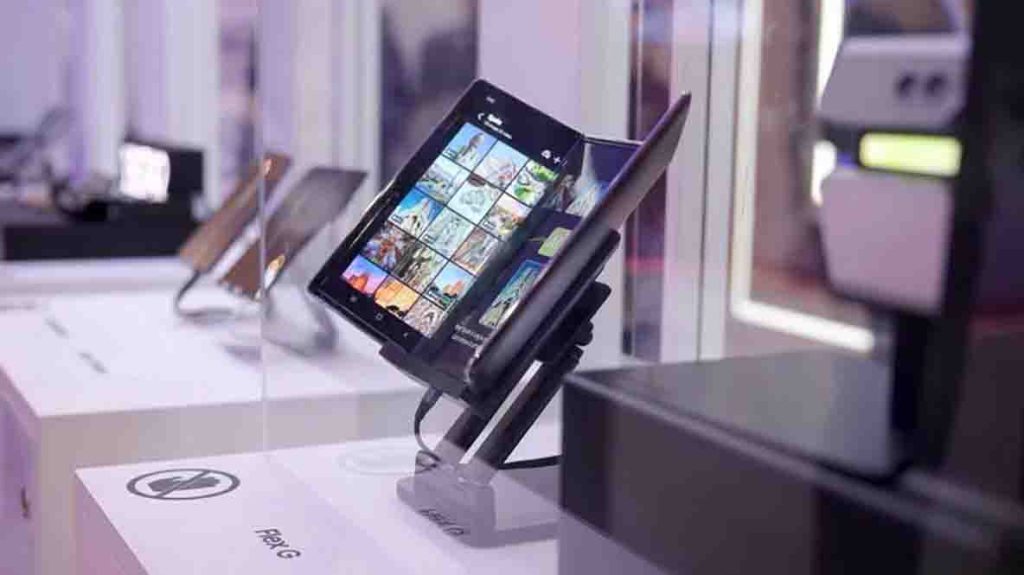
- The hinge not only facilitates the folding motion but must also safeguard the screen from damage. Modern foldable smartphones employ multi-axis hinges and micro-gear mechanisms to ensure smooth folding while preventing dust ingress into the mechanical components.
3.Battery Layout and Thermal Management
- Foldable smartphones often require a dual-battery configuration to accommodate the device’s physical form factor when folded. Furthermore, given the powerful processors typically found in these devices, effective thermal management becomes a critical issue that must be successfully addressed.
4.Software Adaptation
- Since the display area undergoes significant changes when the screen is folded, the operating system and applications must dynamically adapt to various screen configurations. Consequently, features such as split-screen multitasking, multi-window management, and adaptive application layouts have emerged as key software highlights of foldable smartphones.
III. Foldable Screens and Future Trends in Consumer Electronics
Foldable screen technology does more than merely alter the physical form of smartphones; it represents the future trajectory of consumer electronics development.
- 1.Larger Screens, Enhanced Portability
- Foldable screens enable users to enjoy a tablet-like display experience while maintaining the portability of a smartphone. This design philosophy is now influencing other product categories—including laptops, tablets, and even wearable devices—driving a convergence of slim, lightweight designs with multifaceted functionality.
- 2.AI Chips Empowering Foldable Screens
- Modern foldable smartphones are frequently equipped with high-performance AI chips dedicated to image processing, voice recognition, and user behavior prediction. For instance, AI algorithms can be utilized to optimize split-screen operations and application layouts, thereby making the user experience on foldable devices feel more intuitive and natural.
- 3.5G/6G Networks Accelerating Multitasking Experiences
- A primary advantage of the large displays found on foldable devices lies in their capacity for multitasking—such as simultaneously browsing the web, watching videos, and engaging in video calls. The low latency and high bandwidth of 5G networks make these concurrent activities significantly smoother; looking ahead, future 6G networks may further accelerate the deep integration of AR/VR technologies with foldable devices.
- 4.The Wearable and Foldable Ecosystem
- Foldable screen technology has the potential to extend into the realm of wearable devices—such as foldable smartwatches, headphones, and smart glasses—thereby giving rise to an entirely new ecosystem of consumer electronics. In the future, we may witness the emergence of a continuous, foldable display chain, enabling devices to flexibly adapt and switch between different usage scenarios.
IV. Future Outlook: How Else Can Foldable Phones Fold?
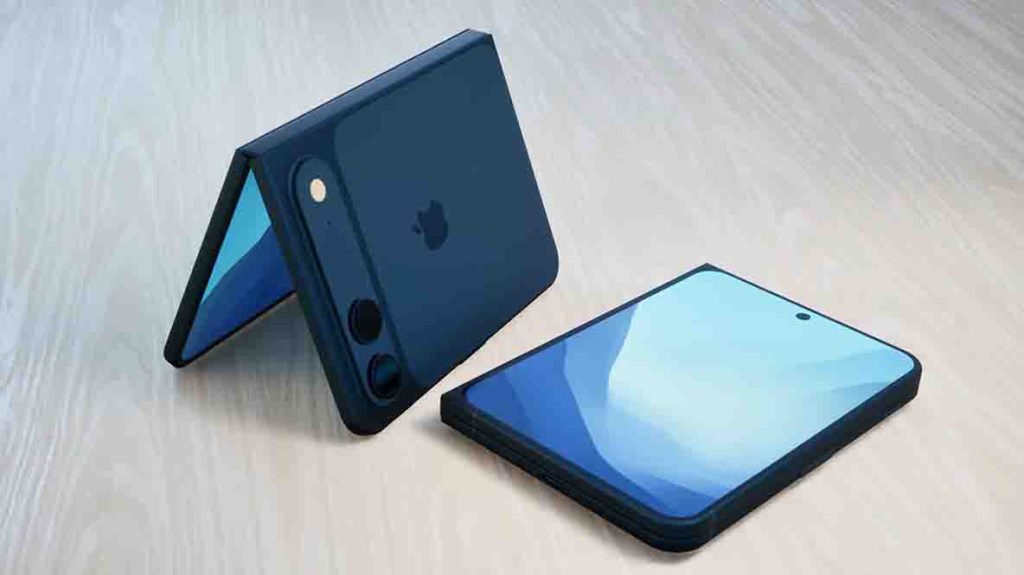
Future foldable smartphones may no longer be confined to the “book-style” or “clamshell” designs we see today. The following trends are worth watching:
- 1.Multi-Fold Display Designs
- Imagine a phone that can fold three or four times—instantly expanding from a pocket-sized device into a compact tablet—thereby realizing the vision of a truly shape-shifting device.
- 2.Rollable Screens
- Rollable displays allow the screen to extend much like a scroll of paper; by eliminating the need for fixed hinge points, this technology holds the promise of combining with foldable screens in the future to enable even more fluid and unconstrained screen form factors.
- 3.Transparent and Flexible Displays
- The next generation of foldable screens may feature transparent or fully flexible display capabilities, allowing a phone to not only fold but also bend, stretch, and even be worn on the wrist as a wearable device.
- 4.Foldable Screens and Sustainability
- Advancements in materials science could yield more eco-friendly flexible display materials, making foldable devices easier to recycle, more durable, and more energy-efficient—thereby balancing technological innovation with environmental responsibility.
V. Looking Ahead: The Infinite Possibilities of Foldable Screens
Foldable display technology marks a significant milestone in consumer electronics innovation. It has not only reshaped the physical form of smartphones but has also driven the convergent development of materials science, mechanical engineering, artificial intelligence, and networking technologies. From science fiction concepts to everyday utility, every fold of a foldable screen pushes the boundaries of what is possible while showcasing the potential form factors of future electronic devices.
As the technology continues to mature, foldable smartphones are poised to transition from high-end luxury items to mainstream consumer products, simultaneously sparking even greater imaginative innovation. Perhaps in the near future, the phones in our hands will not merely fold, but also roll, stretch, and even integrate seamlessly into wearable devices. Thanks to technological progress, the question of “how else can a phone fold?” is no longer a mere query, but rather the beginning of infinite possibilities.




+ There are no comments
Add yours